Grass Pollen
Description
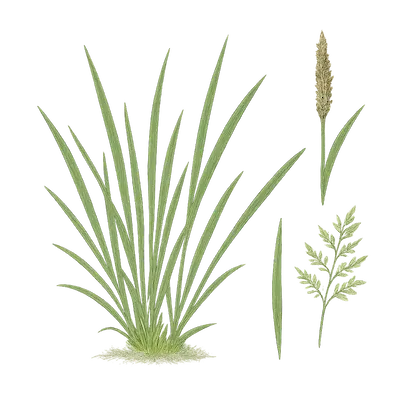
Grasses are a diverse group of plants in the family Poaceae, with thousands of species found worldwide. They range from small lawn species to tall ornamental varieties and agricultural crops like wheat, barley, and rye. Grass pollen is one of the most common causes of seasonal allergic rhinitis (hay fever), affecting millions of people globally.
Allergy Symptoms
Grass pollen causes hay fever symptoms in more people than any other pollen type:
- Sneezing and runny or congested nose
- Itchy, watery, red eyes
- Coughing and throat irritation
- Asthma flare-ups and wheezing
- Itchy skin or hives in some people
About 95% of hay fever sufferers in the UK are allergic to grass pollen. Some people also experience Oral Allergy Syndrome (OAS), with itching in the mouth and throat when eating certain raw foods. Cross-reactive foods can include tomatoes, potatoes, melons, oranges, and wheat products, though reactions vary from person to person.
Typical Pollination Period
Grass pollen season varies by region:
- United Kingdom: May through July, peaking in June
- Europe: Generally May to July, varying by altitude and latitude
- United States: Late spring through early summer, with timing varying significantly by region
- Southern Hemisphere: During the summer months (December-February)
Geographic Distribution
Grasses grow just about everywhere:
- Urban areas: Lawns, parks, sports fields, gardens
- Rural areas: Meadows, pastures, agricultural land, grasslands
- Natural landscapes: Prairies, savannas, steppes, wetland margins
Tips for Allergy Sufferers
- Check pollen forecasts and avoid outdoor activities when counts are high, especially in the morning
- Keep windows closed and use HEPA air purifiers
- Shower and change clothes after being outside
- Antihistamines or nasal corticosteroids can help — ask your doctor
- Mow lawns short to prevent grasses from flowering
- Wraparound sunglasses can protect your eyes from airborne pollen
- For severe symptoms, consider allergy testing or immunotherapy